

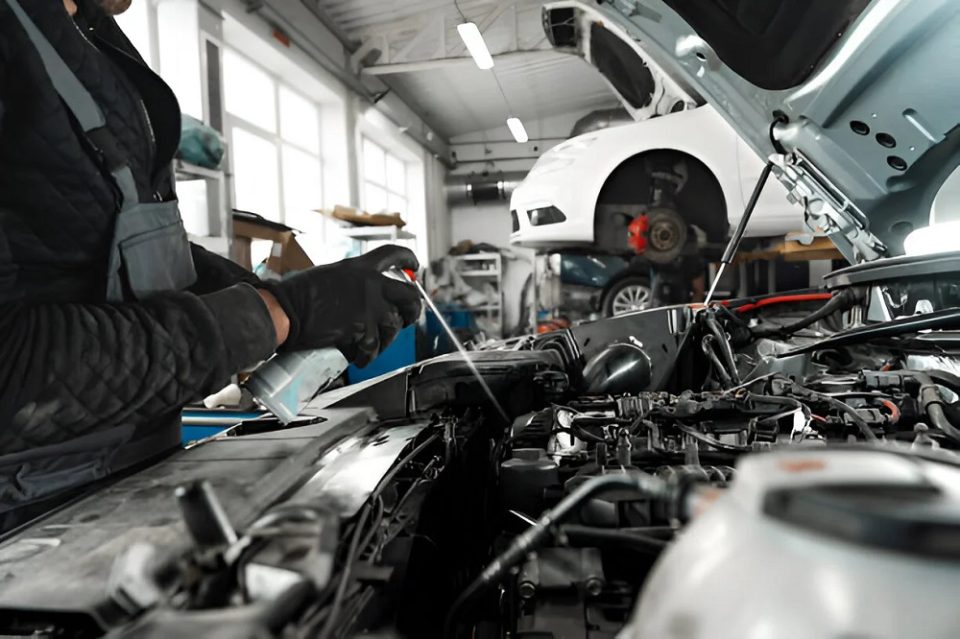
For most individuals, maintaining a vehicle is a balancing act between financial responsibility and personal safety. When a dashboard warning light illuminates or an unfamiliar mechanical noise develops under the hood, a driver is immediately faced with a critical choice. They must decide where to take their vehicle for diagnosis and repair. While large corporate dealership service bays often dominate local advertising markets, a growing number of savvy motorists are discovering that building a relationship with a trusted local car repair shop offers distinct operational, economic, and personal advantages.
The automotive service industry is heavily reliant on consumer trust. A vehicle is a highly complex machine, and the average driver lacks the specialized mechanical knowledge required to verify if a recommended repair is truly necessary. Choosing an independent local repair shop establishes a foundation for transparency, localized economic support, and personalized customer care that massive corporate networks simply cannot replicate.
Personalized Relationships and Continuity of Care
One of the most significant advantages of opting for a local car repair shop is the high level of personalized service. In a large dealership environment, a customer rarely speaks directly with the technician working on their vehicle. Instead, they interact with a rotating staff of service advisors who act as middle management salespeople. These advisors are often incentivized by corporate sales quotas, turning a routine oil change visit into an aggressive upselling presentation.
At an independent local shop, the organizational structure is much flatter. Customers often speak directly with the business owner or the master technician who is personally turning the wrenches on their car. This direct line of communication eliminates misunderstandings and allows for a more accurate diagnosis of mechanical issues.
Furthermore, a local shop offers continuity of care. Because employee turnover is typically much lower in an independent shop compared to corporate service chains, the same technician will likely service your vehicle over its multi-year lifecycle. This technician becomes intimately familiar with the unique maintenance history, structural quirks, and wear patterns of your specific vehicle. They can track the gradual wear of components like brake pads or suspension bushings accurately over time, advising you when a part truly needs replacement rather than replacing it prematurely based on a rigid corporate menu.
Financial Efficiency and Competitive Pricing
Maintaining a car can be expensive, but building a relationship with a local mechanic can significantly lower your long-term ownership costs. Independent auto repair facilities consistently offer more competitive pricing for parts and labor compared to franchised dealership networks.
Dealerships carry immense corporate overhead costs, including pristine glass showrooms, extensive administrative staff, and mandatory manufacturer branding packages. These expenses are ultimately absorbed by the consumer through inflated hourly labor rates and premium markups on original equipment parts. Local shops operate on leaner business models, allowing them to pass substantial savings directly to their clients.
In addition to lower base rates, independent shops offer greater flexibility in sourcing parts:
-
Original Equipment Manufacturer Parts: If a client prefers exact factory components for a critical engine repair, a local shop can easily source them through local distributor networks.
-
High-Quality Aftermarket Alternatives: For non-critical components or older vehicles, local mechanics can utilize high-quality aftermarket parts that meet or exceed factory specifications at a fraction of the cost.
-
Remanufactured Components: For major repairs like an alternator or starter replacement, a local shop can offer remanufactured options, allowing budget-conscious drivers to keep their vehicles on the road safely.
A trusted local mechanic focuses on keeping your vehicle operational and safe without forcing unnecessary cosmetic or accessory services into the invoice. Their business model relies on repeat patronage rather than maximizing the profit margin on a single, one-time transaction.
Support for the Local Community and Economy
Choosing an independent car repair shop is an active investment in your local neighborhood. When you pay a corporate-owned dealership or a national automotive service chain, a significant portion of that revenue leaves the immediate area, flowing back to distant corporate headquarters and institutional shareholders.
Independent repair shops are owned and operated by individuals who live, work, and spend their earnings within the same community as their customers. The money spent at a local garage circulates locally, supporting neighborhood families, creating stable jobs for local technicians, and contributing to municipal tax bases that fund local schools, roads, and public safety initiatives.
Moreover, independent shop owners rely heavily on local word-of-mouth reputation to sustain their businesses. They lack the massive multi-million-dollar marketing budgets of national chains. Consequently, their survival depends entirely on their honesty and the quality of their work. If a local shop treats a neighbor unfairly or performs poor repair work, that information spreads rapidly through community networks, directly threatening the viability of the business. This localized accountability provides a powerful built-in incentive for independent mechanics to maintain the highest standards of integrity.
National Warranty Protections with a Local Feel
A common misconception among modern car owners is that they must return to a franchised dealership for all routine maintenance and repairs to keep their vehicle’s factory warranty intact. This is factually incorrect. Under the federal Magnuson-Moss Warranty Act, it is illegal for an automobile manufacturer to void a vehicle warranty simply because the routine maintenance or repair work was performed by an independent mechanic.
To provide additional peace of mind, the vast majority of reputable independent auto repair shops belong to national service networks, such as the TechNet Professional or NAPA AutoCare networks. When a local shop is certified by these networks, they can offer robust nationwide warranties on the parts and labor they provide.
Typically, these warranties cover repairs for twenty-four months or twenty-four thousand miles. If a part installed by your local mechanic fails while you are traveling on a cross-country road trip, you can pull into any of the thousands of affiliated network shops across the United States to have the issue resolved completely free of charge. This gives consumers the best of both worlds: the personal touch of a family-owned neighborhood shop combined with the security of a massive nationwide safety net.
Advanced Technical Competence and Specialized Focus
There is an outdated stereotype that independent repair shops lack the advanced technological tools and training found at major dealerships. In the modern automotive landscape, this is completely untrue. Vehicles are increasingly reliant on sophisticated onboard computer networks, and local shops have adapted to meet this reality.
Professional independent mechanics invest heavily in multi-brand diagnostic scanners, factory-level software access, and ongoing technical certifications, such as those provided by the National Institute for Automotive Service Excellence. Because independent technicians work on a diverse array of vehicle makes and models every single day, they often develop a broader, more comprehensive understanding of mechanical and electrical systems than a dealership technician who only sees a single brand line.
Additionally, many local shops choose to specialize in specific vehicle segments, such as European imports, heavy-duty diesel trucks, or hybrid and electric powertrains. This specialized focus allows them to acquire specialized tooling and precision skills that rival or exceed the capabilities of localized dealership service centers, ensuring your vehicle receives top-tier care regardless of its complexity.
Frequently Asked Questions
Can a local repair shop reset my vehicle’s internal maintenance oil life monitor and electronic parking brakes?
Yes, modern independent shops utilize advanced diagnostic scan tools that plug directly into your vehicle’s onboard computer interface. These tools can reset oil change reminders, recalibrate steering angle sensors, actuate electronic parking brakes for service, and perform deep module adaptations across all major automotive brands.
How do local repair shops handle a vehicle recall issue?
By federal law, safety recall repairs must be performed by a franchised dealership factory technician at no cost to the vehicle owner. If a local mechanic discovers a component failure tied to an active factory recall during a routine inspection, a trusted shop will inform you immediately and advise you to schedule an appointment with a local dealer to have the specific repair handled for free.
Do independent car repair shops provide digital vehicle inspection reports?
Yes, many progressive local repair shops utilize digital vehicle inspection software. Technicians take high-resolution photographs and videos of your vehicle’s components, such as worn brake pads, cracked belts, or fluid leaks, directly from the service bay. This visual report is texted or emailed to you, allowing you to see the exact condition of your vehicle before approving any work.
What should I do if a local shop installs an aftermarket part and the manufacturer later claims it caused a failure?
Under federal law, the vehicle manufacturer cannot deny warranty coverage unless they can objectively prove that the specific aftermarket part or the installation process directly caused the secondary failure. Reputable local shops stand by their work and will coordinate with parts manufacturers to resolve any component disputes.
Are local auto repair shops equipped to handle complex electrical wiring and diagnostic troubleshooting?
Yes, professional independent shops employ master diagnostic technicians who specialize in reading electrical wiring schematics, utilizing digital oscilloscopes, and tracking down complex electrical shorts or module communication failures that cause erratic dashboard warning lights.
How do local car repair shops determine the estimated labor times for a specific vehicle repair?
Independent shops utilize the exact same industry-standard labor guide software as dealerships, such as Mitchell 1 or AllData. These digital databases provide standardized time estimates established by engineers for specific repair procedures based on the year, make, and model of the vehicle, ensuring billing transparency.
